
There are two different things people may mean by testing a psychic: checking whether a service treats them fairly, or trying to establish a supernatural ability. A customer can make useful observations about the first. An informal paid conversation is not a controlled scientific test of the second.
If you choose to have a reading, treat it as an optional reflective or entertainment experience. You can appreciate a useful question without accepting a prediction as verified knowledge. You can also decide that the session is not useful and stop.
Why a hidden question does not settle the issue
A hidden test might involve withholding a known fact, asking about an object or waiting for a particular name. One apparent match cannot establish the source of the information. It may also be difficult to decide afterward whether a broad statement truly matched what you had in mind.
At the same time, a provider cannot use the limitations of your test to claim that every wrong answer is your fault. “You were skeptical” is not a demonstrated explanation of an inaccurate claim. You do not need to win a debate about paranormal powers to enforce a spending limit or decline another session.
A research question would need a clear procedure, safeguards against ordinary information access, predetermined scoring and repeatable results. This guide does not claim to supply such a protocol. Its checklist is for customer experience and boundaries, not certification of psychic ability.
Set the terms before the clock starts
Confirm the rate, when billing begins, any minimum charge, promotional conditions and how to end the session. Ask where the refund or complaint policy is written. A headline offer may not describe the full purchase you are about to make.
Scamwatch’s psychic-scam guidance advises checking the total cost, what you will receive, and ongoing or hidden conditions before proceeding. No claimed connection is a reason to leave the price undefined.
Choose a total amount you can comfortably lose as discretionary spending. You do not have to spend to that limit. Decline if an offer requires borrowing, using essential funds or sharing financial credentials with a reader.
Our online psychic readings guide covers format choices and the broader cost and safety checks. Transparent business conduct is useful, but it still does not establish supernatural accuracy.
Six checks for the actual session
For each item, record met, unclear or concern, followed by one observation. Do not total these into an accuracy percentage. A serious warning sign cannot be canceled out by five pleasant features.
1. Clarity
Can you understand what is being offered and what a statement means? “You may be considering a change” is a broad reflection, not a specific prediction. If an answer shifts when questioned, note the original wording instead of quietly replacing it with a better-fitting version.
Question to ask: “Are you offering an interpretation, or claiming this is a fact?” You may disagree without being accused of blocking the session.
2. Pressure
Does the reader respect a pause, a declined topic or the end of the appointment? Notice threats, urgent add-on purchases or claims that something bad will happen unless you continue paying. A calm manner does not make a coercive demand acceptable.
Boundary to use: “I am not purchasing anything else.” If you feel unsafe or pressured, end the interaction through the safest available channel.
3. Privacy
Are requests for information relevant and optional? You can share a broad topic without giving another person’s address, private medical records, passwords or account details. A reader’s questions are not automatically evidence of fraud, but your right to limit disclosure remains.
Our guide to why psychics ask questions distinguishes ordinary clarification from information you may prefer not to provide.
4. Cost
Does the billed time and amount match the agreed terms? Note whether the session was extended, whether an offer expired or whether a new purchase was proposed. If a charge is unclear, ask the platform or payment provider through a verified contact route.
Observation to record: “The session ended at the agreed limit,” or “The final amount needs an explanation.” Avoid assuming either a favorable outcome or a violation without checking the terms.
5. Uncertainty
Can the reader acknowledge not knowing? Does the session leave room for your own decisions and qualified advice? Claims about diagnoses, guaranteed legal outcomes or certain investment returns should not become the basis for consequential decisions.
Question to ask: “What are the limits of this interpretation?” An answer that makes the reader infallible and you responsible for all errors is a concern.
6. Practical value
Did the conversation offer a reflection you can evaluate independently, or only a reason to buy more reassurance? A useful prompt might help you prepare a conversation or identify a question for a professional. It should not require belief that the reader knows another person’s hidden thoughts.
Question afterward: “Would this idea still be sensible if I removed the psychic explanation?” A kind tone and an interesting idea can be positive experiences without proving a claimed power.
A fictional example: useful reflection, uncertain claim
Martin books a short session about a difficult work decision. The reader asks whether he has discussed the role’s expectations with his manager. That question gives him a practical next step. Later, the reader says a promotion is certain.
Martin records these separately. The first is a useful prompt; the second is an unsupported prediction. He asks his manager for concrete information rather than making commitments based on the promise. If the reader offers a paid ritual to secure the promotion, he can decline without needing to complete the rest of the checklist.
This example illustrates the method, not an actual customer experience or endorsement. It also shows why a session need not be classified as entirely true or entirely useless. Specific statements and conduct can be evaluated separately.
Stop conditions come before scoring
- Threats, curse claims or pressure to pay to prevent harm.
- Requests for account access, passwords or unusual off-platform payments.
- Attempts to isolate you from trusted people or qualified care.
- Guaranteed outcomes tied to additional purchases.
- Refusal to respect your decision to end the session.
If any of these occurs, prioritize safety and stop further purchases. Preserve relevant messages and receipts when safe. Our psychic-scam response guide explains practical next steps without promising recovery.
Write a brief record before deciding what it meant
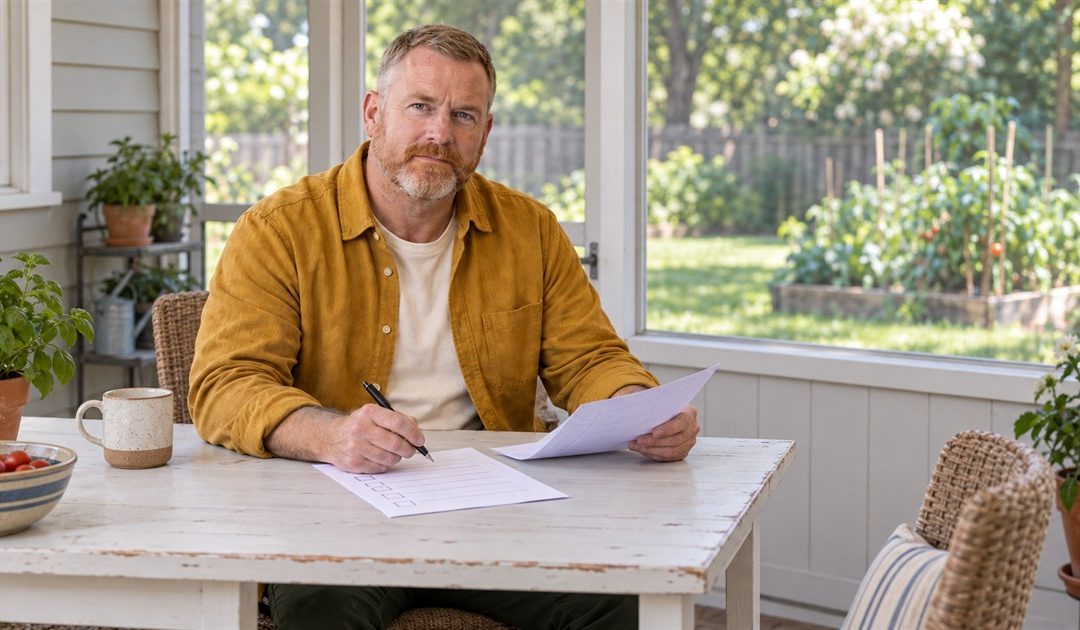
Use four lines: the question you asked, the statement as closely as you can remember it, the information you had already supplied, and the result or uncertainty. If a transcript exists, check the original rather than relying only on a later impression.
Do not turn this into a project of repeatedly contacting the reader or testing other people. You do not owe the provider another chance to convince you, and you do not need to publicize private details to explain why you stopped.
If you post a review, describe your own actual experience and distinguish opinion from checkable facts. Do not invent a result to reward or punish a provider.
Use reviews as context, not proof
The FTC recommends looking across review sources and considering recency, reviewer history and incentives. It also warns that appearance alone cannot reliably distinguish genuine reviews from fabricated ones.
A high rating may reflect enjoyment or customer service; it does not independently establish psychic accuracy. Look for the details relevant to your decision, such as billing clarity and complaint handling, while recognizing that individual reports have limits. Use our network trust checklist for the broader operator-level checks.
Key takeaways
- Skepticism does not make inaccurate or pressured claims your fault.
- Separate a service-quality check from a scientific test of ability.
- Record six observable areas without inventing an accuracy score.
- Stop for serious concerns, regardless of apparent hits or ratings.
Source scope: Scamwatch informs cost and scam precautions; FTC informs the limits of online reviews. The six-part checklist and fictional example are editorial consumer tools, not validated research instruments. Neither source certifies psychic ability. Sources checked September 10, 2026.
Frequently asked questions
Can my skepticism make a psychic reading fail?
Skepticism does not make you responsible for inaccurate, vague or pressured claims. You may ask questions, decline to share private details and end a session. A provider should not require unquestioning belief or more payments to explain away every miss.
Does one correct answer prove psychic ability?
No. A single apparent hit does not establish how information was obtained or whether the result would repeat under controlled conditions. Consider what was said, what information was already available and what did not match, without rewriting the claim afterward.
What should I evaluate instead of a hidden test?
Evaluate clarity, pressure, privacy, cost, uncertainty and practical value. Record specific observations rather than assigning a psychic-accuracy score. Serious safety concerns are reasons to stop, even if other parts of the session felt pleasant.
Should I book another session to confirm the first one?
You do not need another paid session to justify your decision to stop. If you choose to return, review the full terms and your spending limit first. Do not purchase repeated reassurance or make important medical, legal or financial decisions on a reading.