
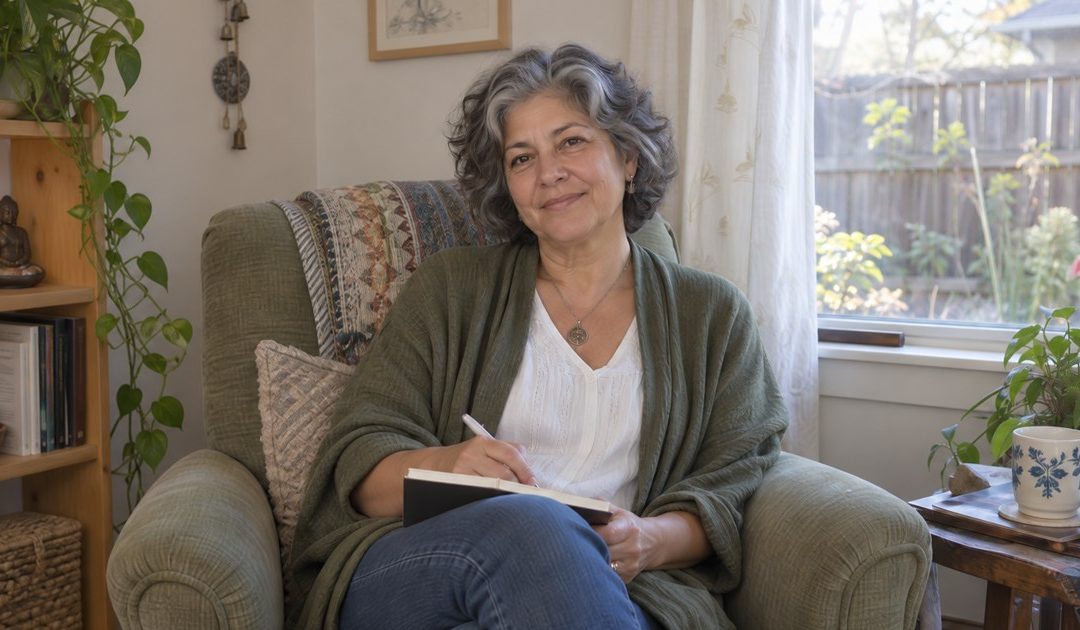
A spiritual aesthetic is a way of arranging a home so it supports the feelings and practices that matter to you. “Energy flow” can be used as personal or traditional language for ease, attention, movement, and atmosphere. It does not require a claim that furniture, colours, crystals, or rooms produce verified psychic effects.
Define what you want the room to support
Before choosing objects, write down the room’s main purpose. A bedroom may need darkness and quiet. A living room may need comfortable conversation. A meditation corner may need privacy, stable seating, and a way to limit interruption.
Then choose three words for the atmosphere you want, such as calm, warm, clear, grounded, playful, or connected. These words become a practical editing tool. If an object does not serve the room’s function or desired atmosphere, it may belong elsewhere.
Start with movement, access, and comfort
Walk through the room the way you use it every day. Keep doors, windows, vents, controls, and exits accessible. Leave enough space to move safely around furniture. Consider children, pets, mobility aids, low vision, sensory needs, and anyone who shares the space.
A layout can feel “blocked” for ordinary reasons: a chair interrupts the route, a surface collects unfinished tasks, or the room asks one area to perform too many jobs. Fixing those problems often changes the atmosphere more than adding décor.
Use light for the task and time of day
Layer lighting rather than relying on one harsh source. Daylight can support daytime tasks when glare and heat are controlled. At night, softer local light may help a room feel quieter. Reading, cooking, stairs, and work surfaces still need enough illumination for safety.
Mirrors can spread light or make a room feel more active. Place them according to what they reflect and how they affect the people using the room, not because a universal rule promises a spiritual result.
Reduce unwanted noise and visual competition
“Visual noise” is a useful design phrase for too many competing objects, patterns, colours, signs, and unfinished tasks. It is not a diagnosis. Try removing a third of the visible objects from one surface, then notice whether the room is easier to use.
Rugs, curtains, books, and upholstered furniture can soften echoes. A small fan, door seal, or agreed quiet period may matter more than a symbolic object. If you share the home, discuss preferences instead of treating one person’s sensitivity as the only correct reading of the space.
Choose colour by response, not promise
People and traditions attach different meanings to colour. Green may suggest growth to one person and a workplace to another. White may feel open in one room and cold in another. Test a sample in morning and evening light and ask whether it supports the room’s purpose.
Colour can be used symbolically without claiming that a particular shade heals an organ, opens a chakra, attracts money, or guarantees intuitive clarity. For a broader symbolic approach, see aura colour meanings as reflection.
Let meaningful objects earn their place
A photograph, inherited chair, candleholder, textile, card deck, or stone may carry personal or cultural meaning. Give it enough space to be noticed and keep fragile or flammable objects safely placed. The object’s value can come from memory and intention without a claim that it stores or transmits measurable energy.
If an item brings guilt, fear, or an unwanted memory, you can move it, store it, donate it, or photograph it before letting it go. You do not need a cleansing purchase or ritual to have permission to change your home.
Create one small reflection zone
A reflection zone can be as simple as a supportive chair, stable surface, notebook, and adjustable light. Keep it easy to enter and easy to leave. Avoid smoke or fragrance when household members have sensitivities, respiratory concerns, pets, or shared-space objections.
If you meditate, begin with a short practice and stop when it feels uncomfortable. The National Center for Complementary and Integrative Health notes that meditation research has limits and advises against using it to replace conventional care. The guide to creating a meditation space offers a practical setup.
Borrow from traditions with context
Feng shui and other design traditions have histories, schools, and cultural contexts that cannot be reduced to a single furniture rule. If you use a traditional practice, learn from credible practitioners or sources, name the tradition accurately, and avoid presenting one interpretation as universal.
You can also take a modest, practical idea—clear the entrance, repair a broken object, or create a conversation-friendly layout—without claiming that it controls luck. See feng shui-inspired home adjustments for related ideas.
A room-by-room reset
- Remove hazards and repair problems. Check unstable furniture, cords, blocked exits, leaks, and broken lights.
- Clear one route. Make the path through the room obvious and comfortable.
- Support the main activity. Put the right seat, surface, storage, and light where the activity occurs.
- Reduce one source of noise. Remove visual clutter or soften an unwanted sound.
- Add one meaningful element. Choose an object, plant, image, or colour that fits the people and conditions in the home.
- Live with it for a week. Notice use and comfort before buying more.
If the room still feels “stuck,” review practical factors before assuming a supernatural cause. When exploring spiritual ideas about stuck energy, distinguish personal symbolism from problems that need an ordinary repair, a conversation, or a change in routine.
Key Takeaways
- Design for function, access, comfort, and the feelings you want the room to support.
- Use energy language as personal or traditional interpretation, not verified physical fact.
- Improve paths, light, noise, storage, and safety before buying spiritual décor.
- Choose colours and objects for personal meaning without promising health, wealth, or psychic outcomes.
- Respect shared-space needs and the cultural context of any tradition you borrow from.
Frequently Asked Questions
What is a spiritual aesthetic in home design?
It is a personal way of arranging a home to support reflection, meaning, comfort, or a spiritual practice. It does not require a claim that the design produces psychic effects.
What does energy flow mean in a room?
It can describe the felt ease of movement, attention, light, sound, and atmosphere. Different traditions may use the phrase in more specific symbolic ways.
Do certain colours heal or attract abundance?
No colour guarantees a health or financial outcome. Use colour for symbolism and personal response, and verify consequential decisions through appropriate sources.
Do I need crystals or incense for a spiritual room?
No. A safe path, useful light, comfortable seating, and one meaningful object may be enough. Avoid smoke or fragrance when it is unsafe or unwelcome.
What should I change first?
Repair hazards, clear the main route, support the room’s primary activity, and improve lighting. Add decorative or spiritual objects only after the room works.